How to Protect ROI on Your Next POS Project
Investing in a new POS system is a major decision for your business. Whether it’s because your existing system is reaching the end of its life and performance is no longer up to the mark, or because you want to unlock growth with new technology, a new POS represents a significant capital outlay.
There’s pressure on to spend your money wisely. Make the right decisions, and a new POS can become a powerful driver of efficiency gains, increased sales, and higher customer satisfaction. Get it wrong, and it can quickly become an expensive frustration for you, your people and your customers.
Ensuring you get the returns you want from your next POS therefore requires careful planning and a clear, strategic approach. Here are our recommended five steps to guarantee success.
1. Understand Your Objectives
Before you even consider comparing specifications or requesting quotes, ask yourself these simple questions. What do you want from a new POS? What will success look like?
Any good project manager will tell you that the end goal is always the starting point. You can’t build a map if you don’t know where you’re trying to get to. Frame your thinking as business objectives. Do you want to increase transaction throughput to boost revenues? Do you want more joined up insight into sales, customer behaviour, inventory and more?
Starting with a simple goal gives you something to aim for. You can then quantify what success looks like, measure performance and use that to monitor ROI.
2. Look Beyond the Headline Cost
If you want a good ROI, you have to know what POS really costs, not just the upfront price. Total cost of ownership (TCO) factors in everything you will spend on a piece of technology throughout its lifetime. Hardware, software licences, installation, support, training, maintenance and repairs are all cost factors. If you choose a product based on the cheapest ticket price, only to then face regular maintenance issues and costly repairs, you’ll quickly see gains on your investment wiped out.
The simple rule is that cheap is often a false economy. Spending more on quality products that perform better over longer periods will nearly always give you better returns. At RTG, we supply only the very best equipment designed for resilience and high performance in commercial environments from our partners. Reliability means lower failure rates, less disruption, and extended lifecycle value – all key ingredients for strong ROI.
3. Plan for Growth
Your business won’t stand still, so your POS shouldn’t either. Longevity is an important factor in tech ROI. The longer you use a system for, the more you get for your money.
That means thinking ahead is essential when choosing a POS system. You don’t just want to meet your present needs, only to have to buy a whole new setup again in a couple of years because your needs have changed. You need to think about how your business might grow, whether that’s by adding locations or diversifying into new services. Scalability and flexibility in POS is therefore a key consideration in protecting ROI.
4. Focus on Customer Experience
POS performs an essential function for your business. It’s how you process sales. Without POS, you don’t make any money, period. Which is why it’s important to consider performance and resilience in the POS you pick. POS downtime is earning downtime.
But how you process sales and make money also matters, especially from the customer’s perspective. Put it this way – POS is the last thing every customer will remember from their visit to your store, hotel, or restaurant. A slow, clunky, frustrating experience at checkout can ruin the whole experience, and lose you a repeat customer.
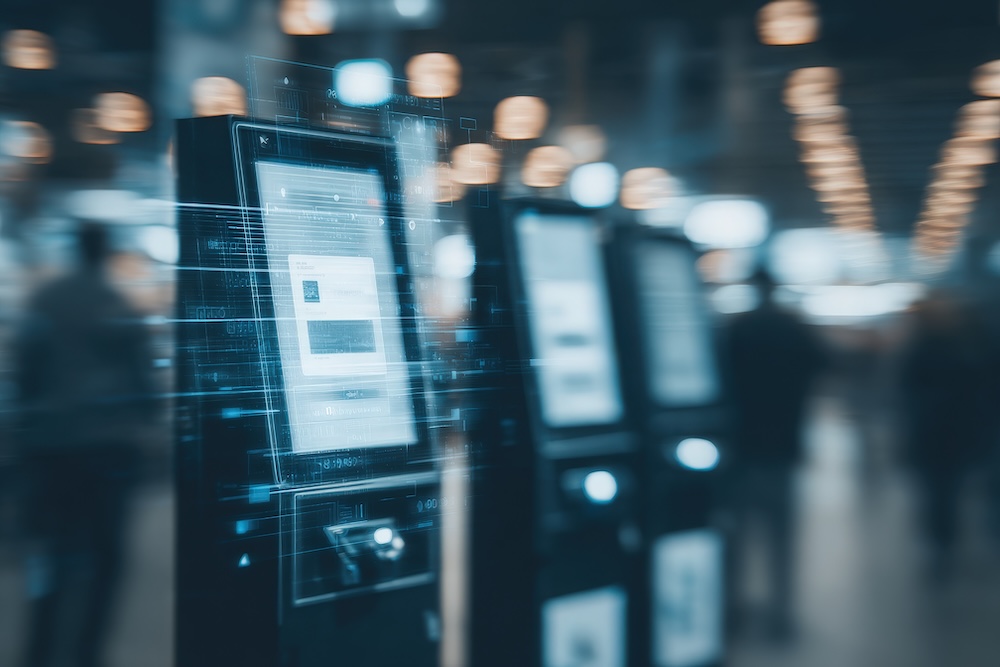
It’s pretty simple. People want checkout to be fast, convenient and hassle-free. They don’t want to be kept waiting. They also want choice. This is where it pays to think outside the box a little on POS options. Self-service kiosks are well-established as a way of giving customers an extra checkout option that puts them in charge of their own experience and busts queues. POS tablets can also reduce queues by enabling staff to take POS to the customer anywhere on the shop floor, providing a level of agility that simultaneously increases throughput and impresses people.
5. Continually Review and Optimize
Finally, achieving good ROI on your POS investment is a marathon, not a sprint. We’ve talked about the importance of longevity in increasing your returns, and how TCO adds up over time. That also means that you don’t close the book on whether you’ve hit your ROI target at go-live.
You have to keep being vigilant. You have to keep measuring performance. You have to tackle issues promptly through sound repair and maintenance protocols, or else small issues can grow silently into system killers. Plus, POS technology evolves quickly. That doesn’t mean you have to roll out a brand new system every couple of years just to keep up. But with the right kind of agile system, periodic hardware refreshes or software upgrades throughout its lifetime do a lot to boost your returns.



KEEP IN TOUCH
NEWSLETTER SIGN UP
| Products | Customer Portal | Contact | About Us |
1859 Bowles Ave, Suite 107
Fenton, MO 63026